
Order Free Samples
Leave Your Message
Food-safe, thermally insulated, and fully customizable packaging built for high-volume quick-service and delivery operations.
A corrugated paper cup is a specialized disposable beverage container featuring an outer sleeve constructed from wave-patterned (corrugated) paperboard bonded to a smooth inner wall. This corrugated air-gap layer acts as a natural thermal buffer, keeping hot drinks hot and protecting the consumer's hand from burns — without the need for a separate cardboard sleeve. For fast food delivery operations, this seemingly simple design innovation translates directly into measurable operational benefits: fewer burn complaints, lower per-cup cost, faster assembly, and a cleaner customer unboxing experience.
As the global food delivery industry continues its explosive growth — with the online food delivery market projected to surpass USD 1.4 trillion by 2027 — the humble paper cup has moved from a passive container to a strategic packaging asset. Every corrugated paper cup that leaves a QSR (quick-service restaurant) or cloud kitchen carries both a beverage and a brand story.
The global single-use paper cup market was valued at over USD 9.8 billion in 2023 and is forecast to grow at a CAGR of 5.2% through 2030, driven primarily by expanding fast food delivery platforms and tightening plastic regulations worldwide.
Major QSR chains — from global burger giants to regional bubble-tea networks — have long recognized that packaging is the last brand touchpoint before the customer experience. In the delivery era, where food travels 20–40 minutes in an insulated bag before reaching the consumer, thermal performance and leak resistance are non-negotiable. Corrugated paper cups address both demands simultaneously.
From a commercial standpoint, corrugated cups occupy a premium tier of the disposable cup market. They are favored by:
The industrial scale of this demand is enormous. In the United States alone, an estimated 50 billion paper cups are used annually. China's fast food delivery sector — the world's largest — processes over 80 million delivery orders per day, each often containing at least one beverage in a paper cup.
The manufacturing landscape for corrugated paper cups has evolved significantly over the past decade, driven by three interlocking forces: sustainability mandates, brand customization demand, and e-commerce acceleration.
Traditional paper cups relied on a thin polyethylene (PE) coating to achieve liquid resistance, making them difficult to recycle. Today, leading manufacturers — including KayRun — are transitioning to PLA (polylactic acid) and water-based barrier coatings that are certified compostable. FSC-certified paperboard ensures the virgin fiber comes from responsibly managed forests, satisfying both regulatory requirements and the ESG commitments of major QSR brands.
Modern corrugated cup production lines operate at speeds exceeding 200 cups per minute per machine. Automated vision inspection systems detect print defects, seam irregularities, and dimensional deviations in real-time, driving defect rates below 0.1%. This industrial precision is critical for global supply chains where a single PO may specify 10 million units with tolerances measured in fractions of a millimeter.
Brand differentiation through custom printing has become a primary growth driver. QSR operators increasingly launch seasonal designs, campaign-specific cups, and regional market variants — all requiring short-lead-time printing runs. Advanced flexographic and digital UV printing now allow photographic-quality artwork on corrugated surfaces with food-safe inks, opening new creative possibilities for marketing teams.
The European Union's Single-Use Plastics Directive (SUPD), effective 2021, and equivalent legislation in the UK, Canada, Australia, and across Southeast Asia have effectively mandated the shift away from polystyrene and PE-coated foam cups. This regulatory wave has redirected billions of procurement dollars toward paper-based alternatives — with corrugated cups being the primary beneficiary due to their dual function (insulation + biodegradability).
Platforms like DoorDash, Uber Eats, Meituan, and Ele.me handle millions of daily orders. Partner restaurants face intense pressure to keep beverages at the correct temperature during 15–45 minute transit windows. Corrugated cups with double-wall construction and a secure lid (dome or flat) are the standard specification. The corrugated layer maintains a 10–15°C temperature advantage over single-wall alternatives, reducing customer complaints about "cold coffee" or "tepid hot chocolate" — a direct impact on restaurant ratings.
For specialty coffee operators, the cup is a brand canvas. Corrugated cups with full-wrap printing eliminate the need for a separate paper sleeve, reducing per-serve cost and waste. The textured corrugated surface provides a tactile brand experience that premium consumers associate with quality — an intangible but commercially significant attribute.
While corrugated cups are traditionally associated with hot beverages, a growing segment applies them to iced and cold drinks — particularly in tropical markets. Double-wall corrugated construction prevents condensation from forming on the exterior, keeping delivery bags and surfaces dry and preventing label damage.
Forward-thinking fast food operators design corrugated cups as part of an integrated packaging system — paired with matching kraft paper bags, corrugated trays, and branded lids. This systems-level thinking, supported by manufacturers offering full packaging suites (cups, bags, sleeves, lids), allows QSR brands to achieve visual consistency across their entire delivery packaging portfolio.
Corporate catering and event F&B services increasingly specify FSC-certified corrugated cups to meet internal sustainability KPIs and satisfy ESG reporting requirements. The ability to print certification logos (FSC, compostable) directly on the cup alongside the corporate brand adds credibility without additional labeling cost.
Corrugated cups are rapidly displacing polystyrene foam cups at convenience store hot beverage stations — a channel that processes enormous volume with minimal staff. The self-insulating property of corrugated cups means customers can handle hot drinks without additional sleeves, streamlining the serve-yourself experience.
When sourcing corrugated paper cups for fast food delivery at scale, procurement teams should evaluate:
KayRun corrugated paper cups are manufactured with food-grade FSC-certified paperboard and are available with PLA or water-based compostable barrier coatings — fully compliant with EU SUPD and FDA food contact regulations.
The corrugated paper cup industry is at an inflection point. Several converging trends will reshape the market through 2030:
NFC tags and QR codes printed directly on corrugated cups are enabling brands to link physical packaging to digital loyalty programs, product traceability portals, and sustainability impact dashboards. A consumer scanning a cup can verify its FSC certification chain-of-custody in real time.
The next frontier is eliminating all petroleum-derived materials from the cup construction. Water-based mineral barrier coatings and nano-cellulose films are advancing rapidly toward commercial readiness, promising cups that are simultaneously liquid-resistant, heat-tolerant, and curbside-recyclable without specialized industrial composting infrastructure.
Digital inkjet printing on corrugated paperboard is enabling cost-effective short runs of as few as 1,000 units — unlocking seasonal campaigns, regional variants, and influencer collaborations for mid-market F&B brands that previously couldn't afford custom cup printing.
Buyers are consolidating packaging procurement, sourcing cups, lids, bags, sleeves, and trays from a single vendor to ensure visual consistency, simplify logistics, and leverage volume pricing. Manufacturers with full-suite capabilities — like KayRun — are positioned to capture this consolidation trend.
Maintains temperature and prevents spills during transit on delivery platforms like Uber Eats, DoorDash, and Meituan.
Full-wrap printing eliminates the need for a separate sleeve, reducing cost and delivering a premium tactile brand experience.
Double-wall construction prevents condensation, keeping delivery bags dry and protecting printed labels on the cup exterior.
Integrated with kraft bags, corrugated trays, and branded lids for a unified fast food packaging system across the delivery menu.
FSC-certified cups with eco-print credentials meet corporate sustainability KPIs and ESG reporting requirements.
Self-insulating corrugated cups replace polystyrene foam at hot beverage stations, requiring no additional sleeve for the consumer.
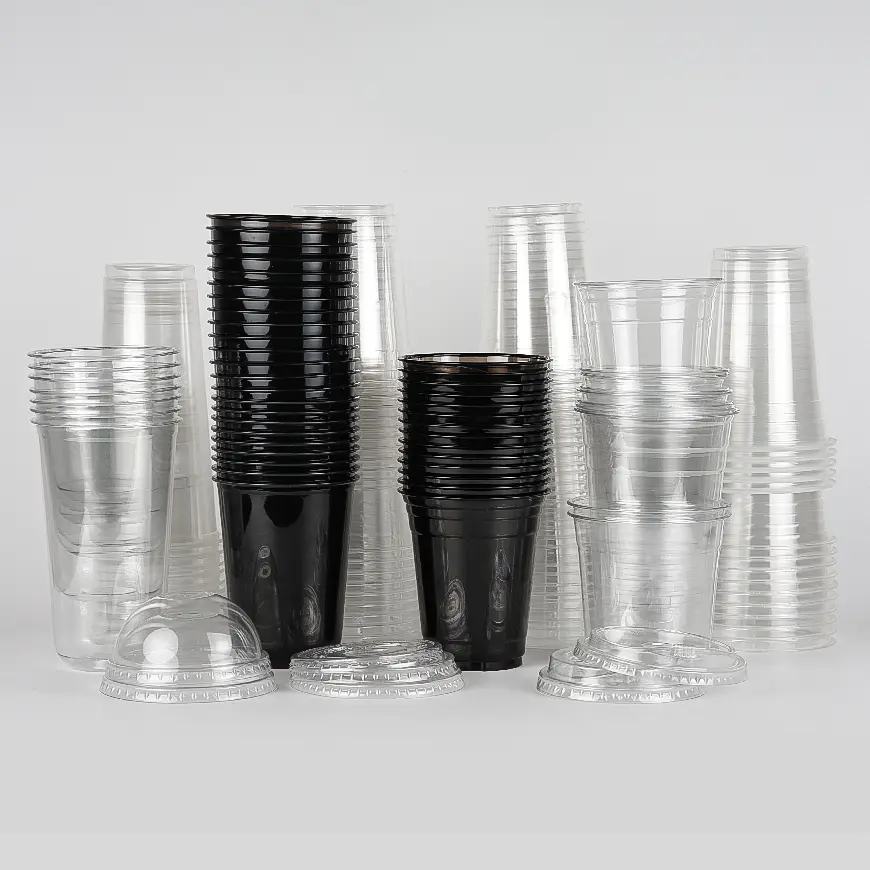
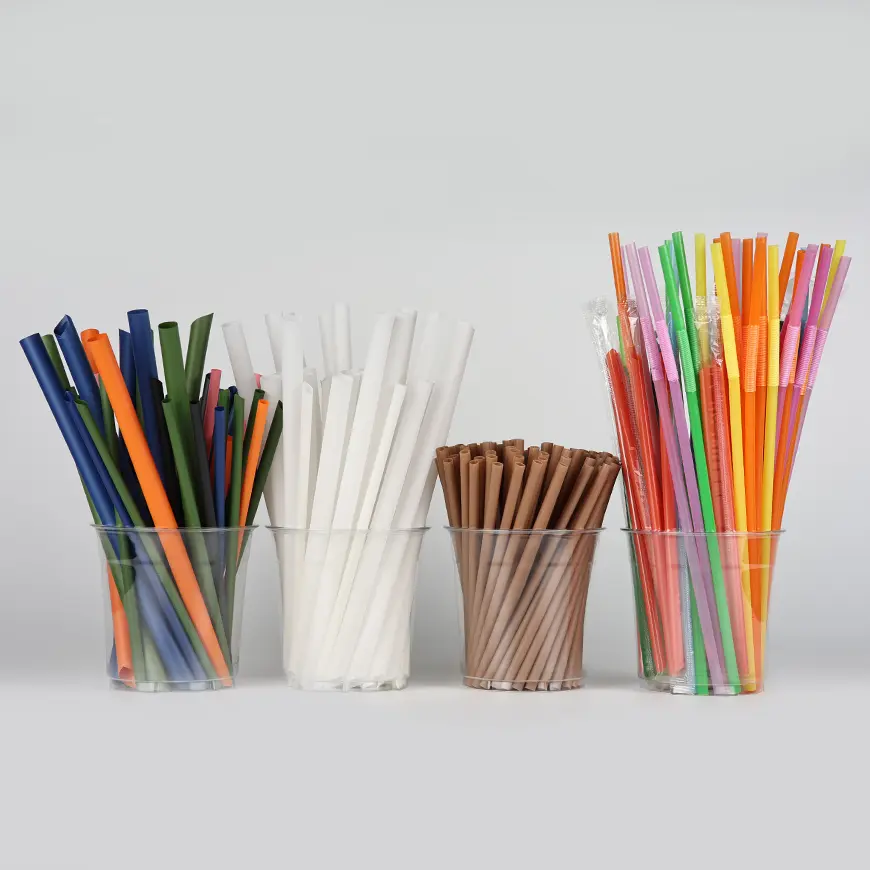
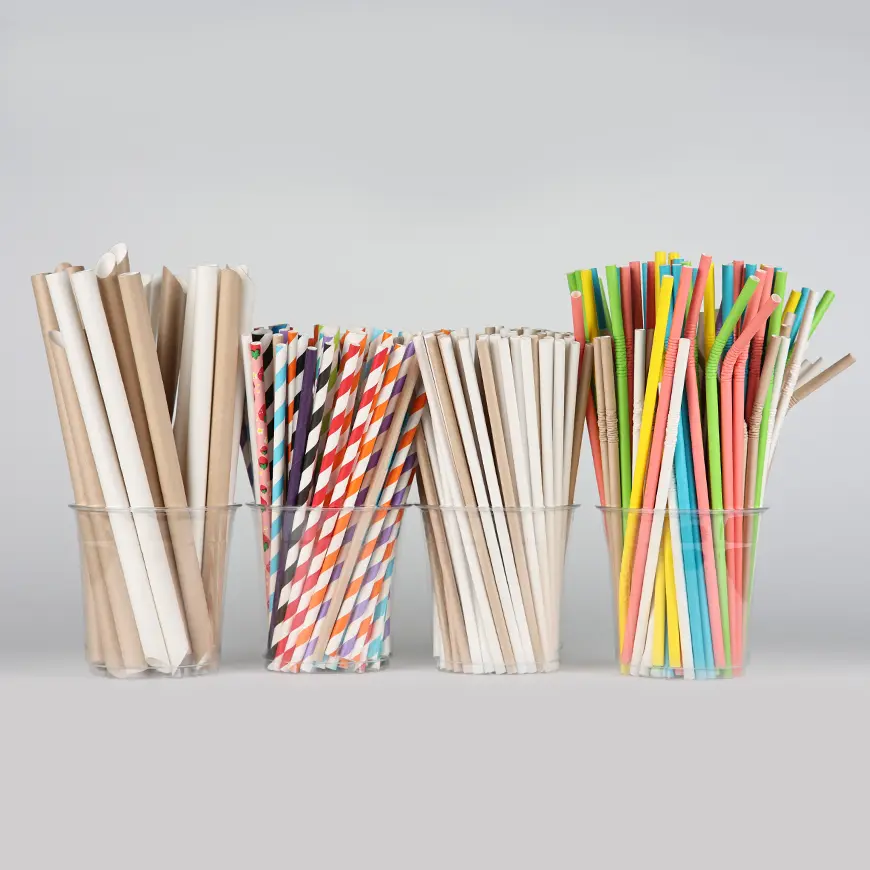
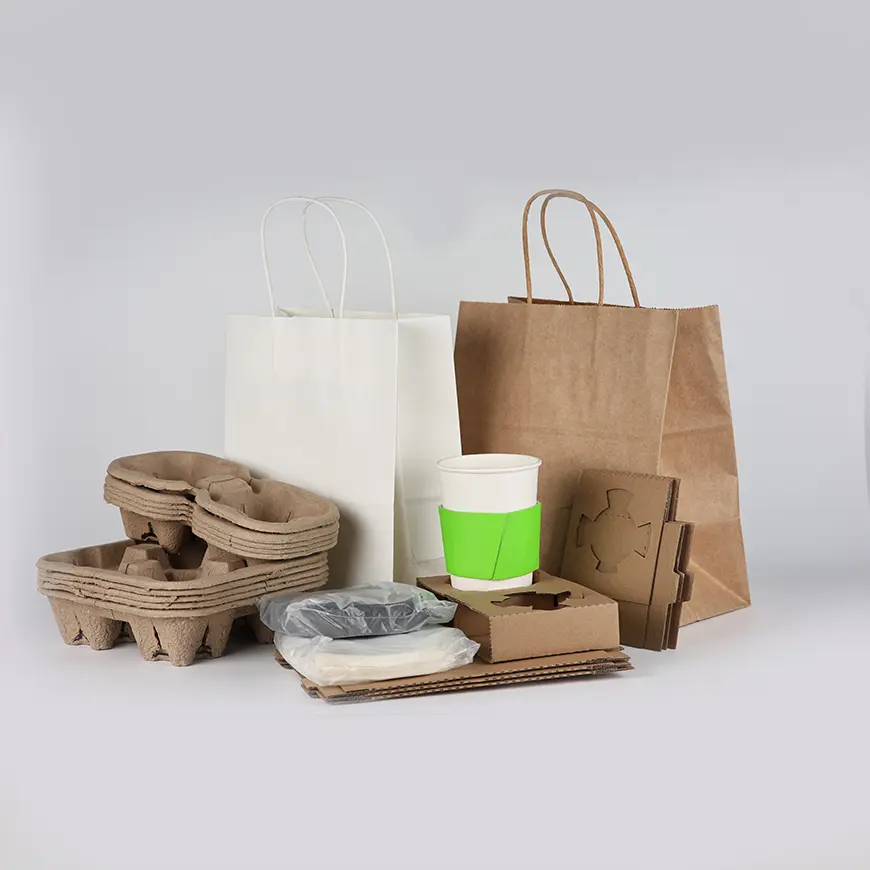
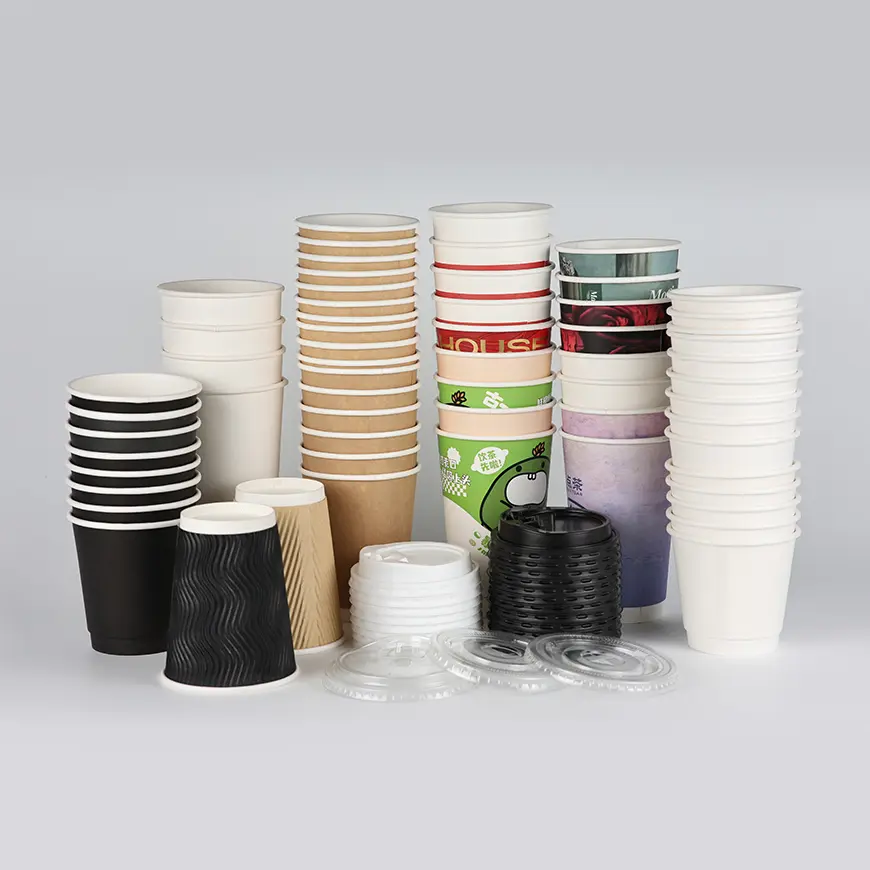
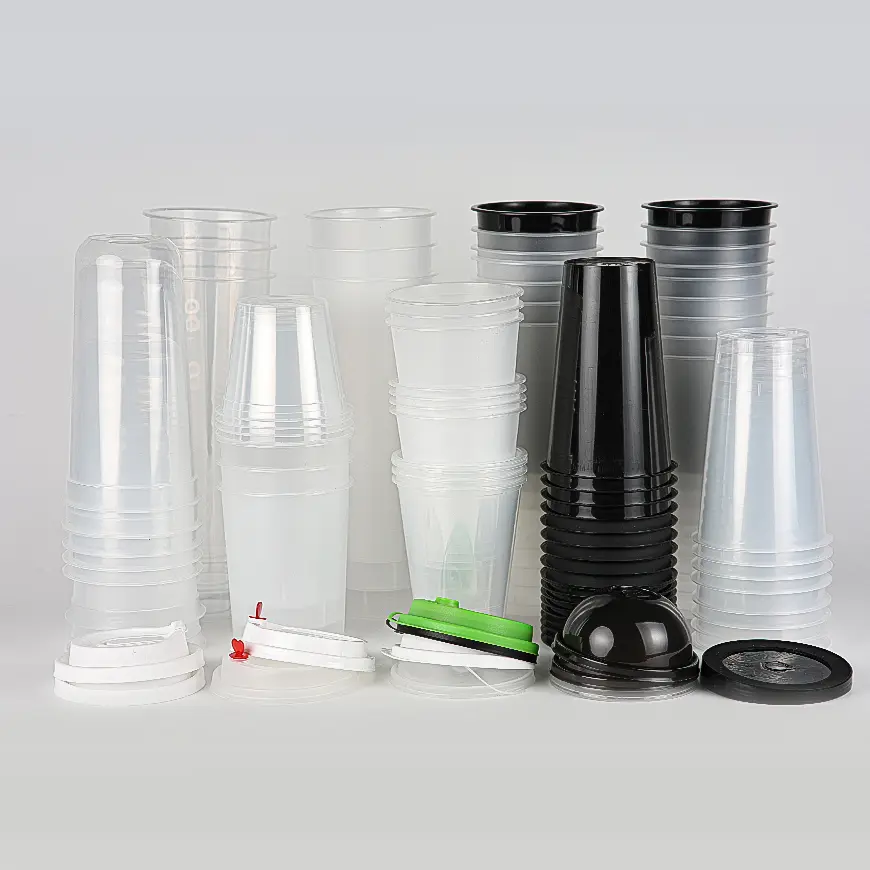
Our main products include paper straws, PLA straws, injection cups, blister cups, paper bags, thermal bags, and cup lids. We provide a comprehensive range of off-the-shelf and customized products, establishing partnerships with major brand chain restaurants both domestically and internationally. Our target customer groups consist of cafes, restaurants, catering services, and eco-conscious businesses seeking sustainable packaging solutions.
Contact usDongguan KayRun New Materials Co., Ltd. is a company specializing in sustainable OEM/ODM solutions for disposable tableware and biodegradable products. Established in 2019, we have two state-of-the-art factories in Dongguan, Guangdong Province, covering an area of over 10,000 square meters, with more than 150 skilled employees, 20% of whom are dedicated to research and development and technical support. The annual output reaches 500 million units, with more than 50 production equipment, to meet the production needs of domestic and foreign customers. At the same time we have passed strict certification to ensure that our products meet the highest quality and safety standards, including FDA, LFGB, FSC certification, SGS food safety certification. Our commitment to quality and environmental responsibility has earned us the trust of major brands.


All KayRun corrugated paper cups are manufactured under strict quality management systems and hold internationally recognized certifications including FDA, LFGB, FSC, ISO 9001, and SGS food safety certification.


Six strategic pillars that make KayRun the preferred corrugated paper cup manufacturer for fast food delivery brands worldwide.

In response to the national ban on plastic, our company actively utilizes environmentally friendly, biodegradable raw materials that are non-toxic and pollution-free. We adhere to national and European standards, holding various industry qualifications.

With a commitment to fast delivery and stable quality, we also prioritize exceptional customer service, offering personalized support and consultation to meet our clients' specific needs.

Our mission is to "care for the environment and advocate health." We strictly control every link from material selection to printing, disinfection, testing, packaging, etc., fully meeting food hygiene standards.

We have a number of patents and have passed certifications such as FDA, LFGB, FSC, ISO 9001 and so on. Our products are mainly sold to coffee shops, milk tea shops and distributors.
Our products are exported to regions including Europe, America, Australia and more than 110 countries around the world. Our monthly production capacity reaches 50 containers.

KayRun has two factories in Guangdong, China, covering an area of 20,000 square meters, with over 150 workers and more than 80 production machines, achieving an annual output of 500 million units.
KayRun participates in leading international trade shows, showcasing our latest corrugated paper cup innovations and sustainable packaging solutions to buyers worldwide.


From corrugated paper cups to biodegradable straws, kraft bags, and custom lids — a full packaging ecosystem engineered for delivery.


Dongguan KayRun New Materials Co., Ltd. is recognized for its integrity, strength, and product quality. We invite friends from all walks of life to visit, guide, and engage in business negotiations with us. Whether you need corrugated paper cups for fast food delivery, custom printed sleeves, or a full eco-packaging suite — our team is ready.
Request a Quote